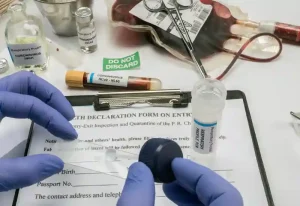
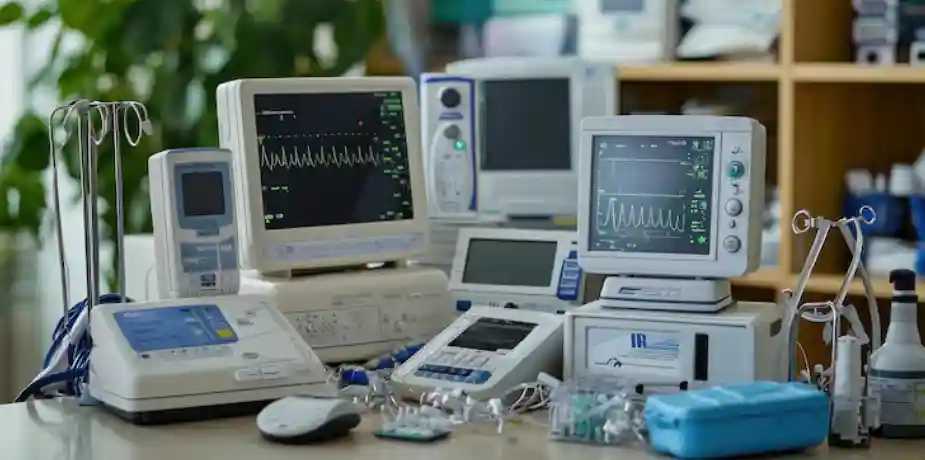
Running a successful clinic requires more than just skilled medical professionals. It also depends on having the right tools to diagnose and treat patients effectively. Diagnostic-equipment plays a crucial role in this process, as it helps doctors identify health issues accurately and efficiently. Choosing the right diagnostic-equipment can be a daunting task, given the variety of options available in the market. This article provides essential tips to help you select reliable diagnostic-equipment for your clinic.
Understand Your Clinic’s Needs
Before purchasing any diagnostic-equipment, it’s important to have a clear understanding of your clinic’s specific needs. Consider the types of patients you see most frequently and the common conditions you treat. For example, a pediatric clinic may require different equipment than a cardiology center. Knowing your clinic’s specialty and patient demographics will help you narrow down the equipment that will be most beneficial.
Research the Equipment
Once you know what type of diagnostic-equipment you need, the next step is to conduct thorough research. Look into the latest technology and advancements in the field to ensure you are getting the most up-to-date equipment. Read reviews from other medical professionals to get an idea of the reliability and performance of different brands and models. It’s also helpful to consult with colleagues or industry experts who have experience with the equipment you are considering.
Consider the Quality and Reliability
Quality and reliability are key factors when selecting diagnostic-equipment. You want equipment that will provide accurate results and withstand the demands of daily use. Check if the equipment meets industry standards and certifications, as these can be indicators of quality. Additionally, consider the reputation of the manufacturer. Companies with a long history of producing reliable medical equipment are often more trustworthy.
Evaluate the Cost
While it’s important to invest in high-quality diagnostic-equipment, you also need to consider your budget. Compare prices from different suppliers to find the best deal without compromising on quality. Remember that the cheapest option may not always be the best in the long run. Consider the cost of maintenance, repairs, and any additional accessories that may be required. It’s also wise to explore financing options or leasing if the upfront cost is a concern.
Check for User-Friendliness
The diagnostic-equipment you choose should be user-friendly for your staff. Complicated equipment can lead to errors and slow down the diagnostic process. Look for equipment with intuitive interfaces and clear instructions. Some manufacturers offer training and support to help your team get up to speed quickly. Ensuring your staff is comfortable using the equipment will lead to more efficient and accurate diagnoses.
Consider After-Sales Support and Warranty
After-sales support and warranty are important factors to consider when purchasing diagnostic-equipment. Equipment can sometimes malfunction or require servicing, so having reliable customer support can save you time and money. Check the warranty period offered by the manufacturer and what it covers. A good warranty can provide peace of mind and protect your investment.
Assess the Equipment’s Compatibility
When integrating new diagnostic-equipment into your clinic, it’s essential to ensure compatibility with your existing systems. The equipment should be able to communicate effectively with your electronic health records (EHR) system and other technology used in your clinic. This will ensure a seamless workflow and prevent any disruptions in patient care.
Plan for Future Needs
Healthcare technology is constantly evolving, so it’s important to plan for the future when selecting diagnostic-equipment. Consider equipment that is easily upgradable or has the ability to expand as your clinic grows. Investing in equipment that can adapt to future technological advancements will save you from having to make frequent replacements.
Conclusion
Selecting reliable diagnostic-equipment is a crucial decision that can impact the quality of care you provide in your clinic. By understanding your clinic’s needs, researching equipment, and considering factors such as quality, cost, user-friendliness, and after-sales support, you can make an informed choice. Planning for future needs and ensuring compatibility with existing systems will also help ensure a smooth integration of new equipment. With the right diagnostic tools, your clinic will be better equipped to deliver accurate and efficient patient care.